


As the global hotel and restaurant industry enters 2026, chefs and entrepreneurs navigate in a complex environment characterised by rising prices, changing guest expectations, changing health priorities and accelerating technological development.
Today’s culinary professionals no longer have a role that is limited to creating recipes. It now also includes sustainability strategy, the design of guest experiences, the integration of well-being and digital skills.
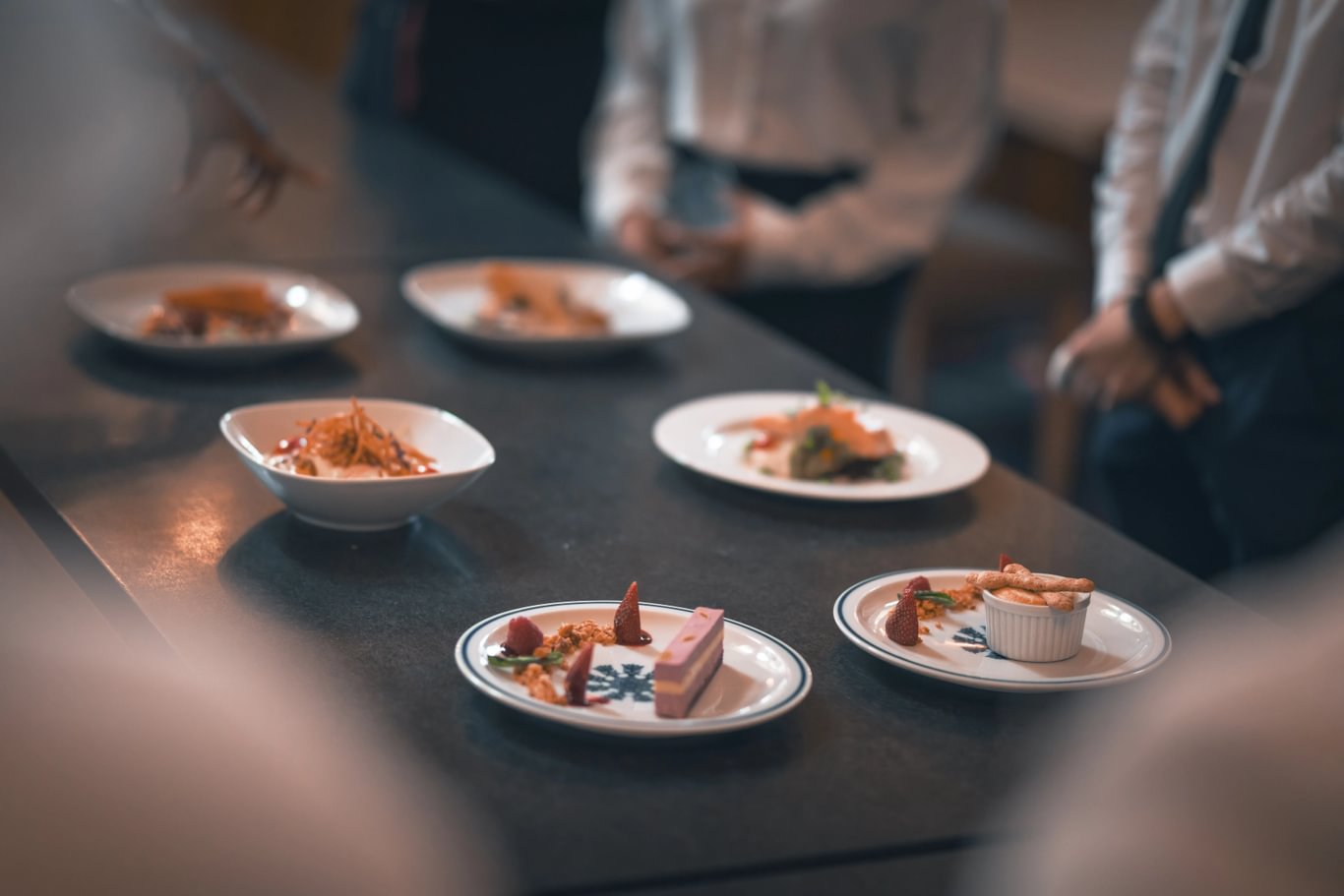
In all markets, guests are looking for more from every meal. They want deeper meaning, stronger cultural connections, better value and more immersive experiences. At the same time, operators are under constant pressure to improve efficiency, reduce waste and build up resilient business models. This dynamic redefines what it means to lead professional kitchens and hotel and restaurant activities.
Based on global industry research and new culinary methods, five major trends in the food industry are expected to shape kitchens, menus and culinary leadership in 2026. For students, teachers and professionals in the hotel and restaurant industry, it is important to understand these changes in order to future-proof both competence and strategy.
1. AI in the kitchen: Technology as a strategic tool
Artificial intelligence is becoming increasingly accessible to food businesses of all sizes. By 2026 AI powered tools will support menu planning, demand forecasts, inventory management, waste reduction, personnel training and guest customization. These functions directly affect cost control, work efficiency and operational resilience.
Although these technologies offer powerful operational benefits, they also require well-thought-out leadership. AI can optimize processes, but it cannot replace culinary intuition, creativity or cultural sensitivity. Successful operators are the ones that integrate technologies to support human expertise and informed decisions.
For training in the hotel and restaurant industry and leadership development, this trend underlines the need for:
- Digital competence in culinary and operational training
- Strategic decision-making on technology deployment
- Ethical and human-centred approaches to innovation
Future leaders in the hotel and restaurant industry are expected to understand both the potential and limitations of AI and use it to increase efficiency while preserving the human core of the industry.
2. Fiber, intestinal health and functional cooking techniques
Digestive health and functional nutrition are becoming increasingly mainstream. In 2026 fibre is no longer seen as a health claim only, but as a design principle for menu development. Whole grain, fermented foods and fibre-rich vegetables are highlighted through technology and crafts rather than being positioned as purely healthy alternatives.
Culinary methods such as fermentation, sprouting, slow roasting and grinding are used to improve both taste and nutritional value. This allows chefs to serve multifaceted, satisfying dishes that appeal to health conscious guests without sacrificing the sensory experience.
For training in the hotel and restaurant sector, this change reinforces the importance of:
- Understand nutrition beyond basic calorie counting
- Master traditional preservation and fermentation techniques
- Integrate well-being in the guest experience strategy
As well-being tourism and healthy food continue to grow, functional cooking skills become a competitive advantage for hotel, resort and restaurant professionals.
3. Targeted protein and return to whole ingredients
Protein remains a key driver for menu development, but the way it is acquired and presented is changing. After years of rapid growth in highly processed meat alternatives, many operators go back to whole, recognizable protein sources. Traditional legumes, peas and old-fashioned cereals regain their importance as cost-effective, nutritious and culturally diverse ingredients.
Beans, lentils, chickpeas and regional legumes are increasingly used not as secondary ingredients but as central components of modern menus. This reflects a broader movement towards the transparency and culinary authenticity of ingredients, where guests value simplicity, nutritional credibility and stories about the origin of ingredients.
For chefs and leaders in the hotel and restaurant industry, this trend creates opportunities to:
- Reintroduced traditional recipes with modern presentation
- Reduce food costs while maintaining protein-rich menus
- Customize menus to meet sustainability and wellbeing expectations
From a leadership perspective, targeted protein strategies also encourage closer cooperation with local suppliers and reinforce the importance of menu planning as an economic and environmental tool.
4. Immersive food experience and experience-driven value
Since the cost of living affects the choice of restaurant, guests expect more than just good food. Immersive food experience becomes an important value driver, with experiences designed to engage multiple senses and create an emotional connection.
Open kitchens, tastings led by chefs, theme menus, multisensory elements and community food are becoming more common. These formats turn meals into events and encourage guests to see food as an experience rather than a transaction.
For hotel and restaurant activities, immersive food strategies can:
- Differentiating brands in competitive markets
- Increase perceived value without increasing food costs proportionally
- Strengthen guests’ loyalty and visibility in social media
From a leadership perspective, this trend highlights the growing overlap between culinary, design, service and narrative technical disciplines in modern hotel and restaurant operations.
5. Culinary heritage and authentic global flavors
In all regions, the culinary heritage is rediscovered by the guests. This revival of traditional recipes, regional flavors and old cooking methods reflects a desire for authenticity, cultural anchoring and meaningful food stories.
Instead of superficial global tastes, we see in 2026 a deeper commitment to culinary identity. Gatumat traditions, regional specialities and almost forgotten recipes are reinterpreted with modern techniques while preserving cultural integrity.
For chefs and leaders in the hotel and restaurant industry, this trend emphasises:
- Cultural competence as a professional skill
- Narrator AS A PART OF THE Menu AND Brand Design
- Respectful innovation rooted in tradition
In hotel and restaurant education, this reinforces the value of teaching not only technicians but also in the history, cultural context and ethical representation of global cuisine.
What these trends mean for hotel and restaurant training and leadership
The coming year will benefit companies that embrace innovation, authenticity and responsibility. Important points are:
- Technology-driven personalization will redefine how guests interact with brands
- Wellness will go from being an optional offer to a central expectation
- Food and beverage concepts will be cultural signature experiences
- Sustainability will be crucial for cost control, brand trust and long-term value
- Experience trips will strengthen the customer’s connection and the identity of the destination
Organisations investing in these areas will be better placed to attract new travellers, increase loyalty and build a resilient future in an increasingly competitive market.
Related training
– I’m sorry. – I’m sorry.